


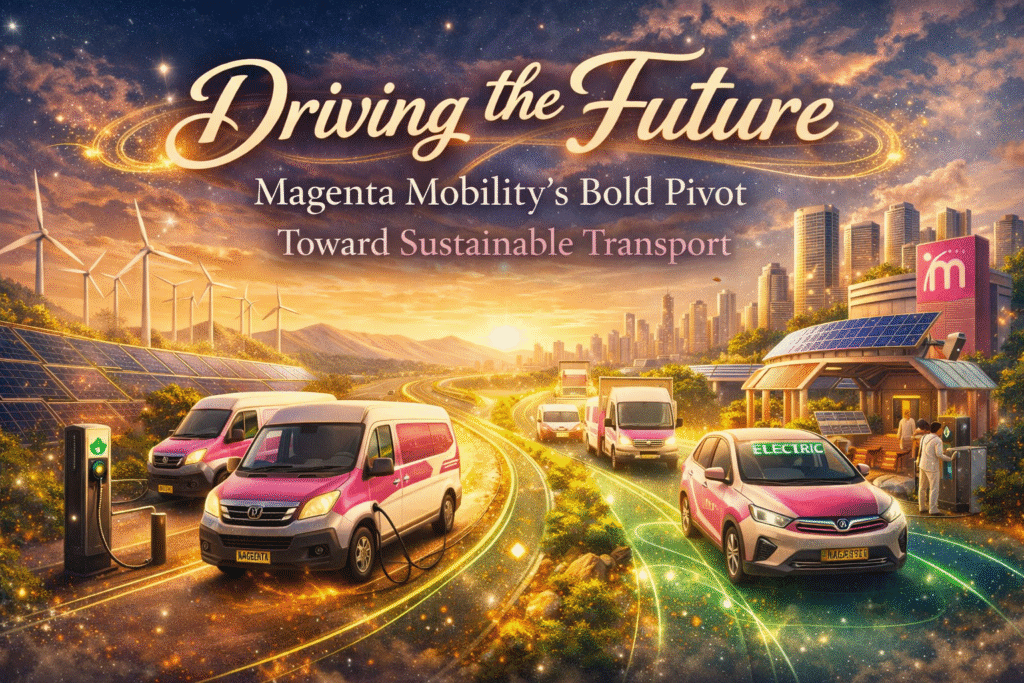
Driving Change: How Magenta Mobility is Reimagining India’s EV Future
India’s transition to sustainable mobility is no longer a distant vision; it is unfolding on the ground, one electric vehicle at a time. At the heart of this shift is Magenta Mobility, a growing EV fleet operator that is quietly reshaping how goods move across cities.
Much like other emerging clean mobility players, Magenta Mobility is navigating a highly competitive and capital-intensive landscape. But under new leadership, the company is charting a more focused and resilient path forward one that prioritizes operational efficiency, strategic partnerships, and long-term sustainability.
A Strategic Pivot Toward Stability

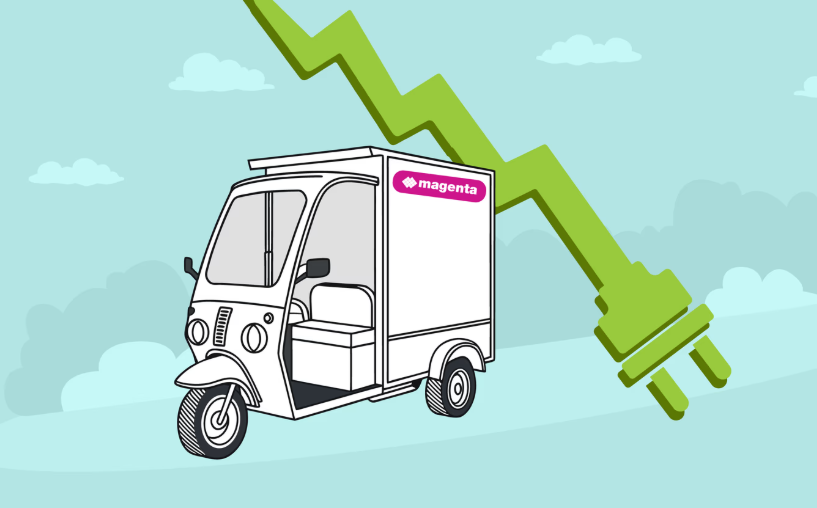
With the appointment of a new CEO, Magenta Mobility is moving away from aggressive expansion and toward a more measured, performance driven approach. The focus is now on strengthening unit economics, optimizing fleet utilization, and ensuring that every electric vehicle on the road contributes meaningfully to both revenue and environmental impact.
This shift reflects a broader realization across India’s EV ecosystem: growth without sustainability both financial and environmental cannot drive lasting change.
Electrifying Last Mile Logistics
Magenta Mobility’s core strength lies in last mile delivery solutions. As e-commerce and urban logistics continue to expand rapidly, the demand for clean, efficient transportation is rising.
By deploying electric fleets for logistics operations, the company is helping reduce carbon emissions, lower noise pollution, and create greener urban environments. This is particularly crucial in densely populated cities where traditional fuel based delivery systems contribute heavily to air pollution.
Building Partnerships for Impact
Rather than scaling in isolation, Magenta Mobility is strengthening collaborations with logistics providers, enterprises, and ecosystem partners. These partnerships are essential to creating a robust EV infrastructure from charging networks to maintenance ecosystems.
Such collaborative models not only accelerate EV adoption but also make sustainable transport more accessible and economically viable.